
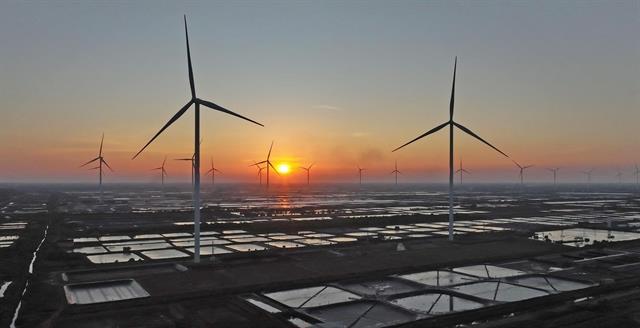
Việt Nam must accelerate its energy transition and remove longstanding bottlenecks in infrastructure and institutional frameworks to sustain double-digit economic growth.
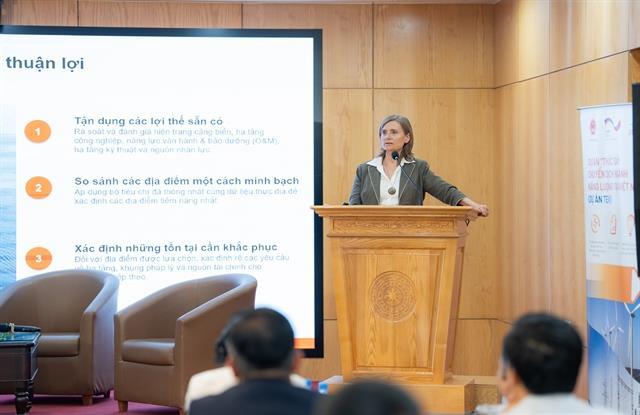
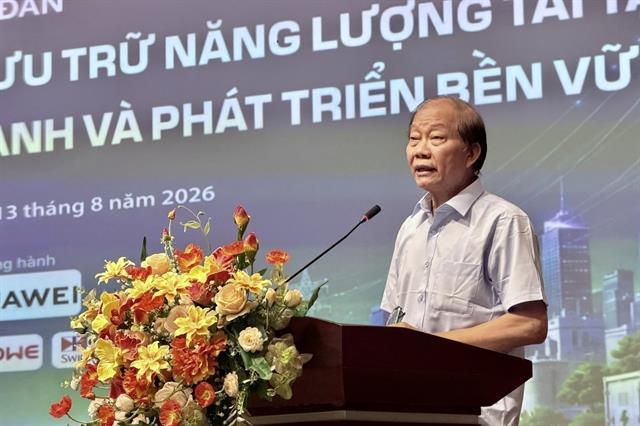
National Assembly Vice Chairman Nguyễn Hồng Diên praised GWEC’s role and contributions in promoting renewable energy worldwide through policy recommendations and its active cooperation with Việt Namese agencies and partners in recent years.
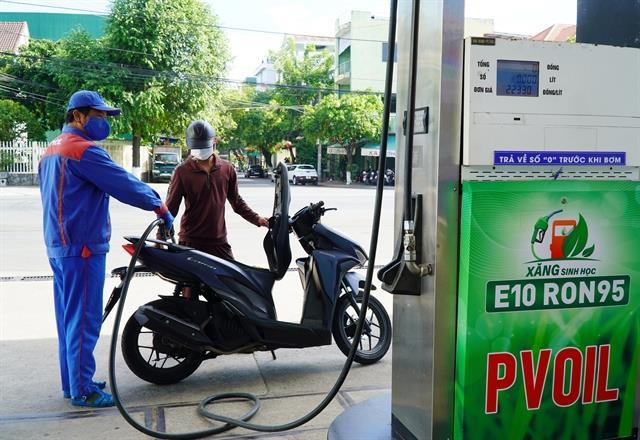
As Việt Nam officially rolls out E10 biofuel nationwide from June 1, concerns and conflicting claims about the fuel’s impact on vehicles have spread widely across social media.
Developing biofuels also stokes demand for agricultural commodities, advances the circular economy, underpins the biofuel industry and lifts domestic value chains, said Permanent Deputy Prime Minister Phạm Gia Túc.
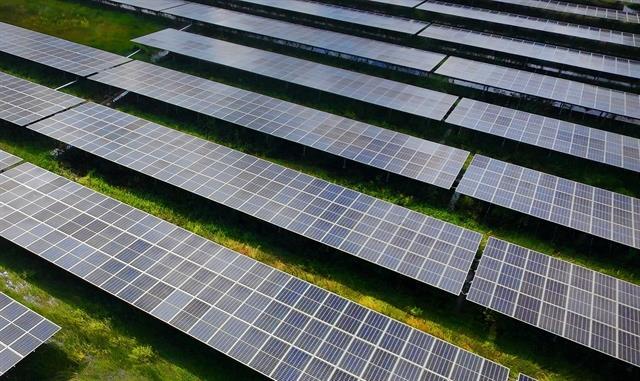
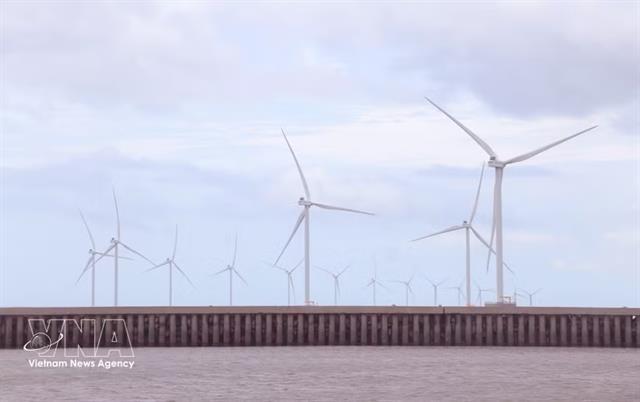
A landmark electricity deal marks a new step in Việt Nam’s clean energy transition as a global manufacturer becomes the first to buy renewable power directly from a producer through the national grid.
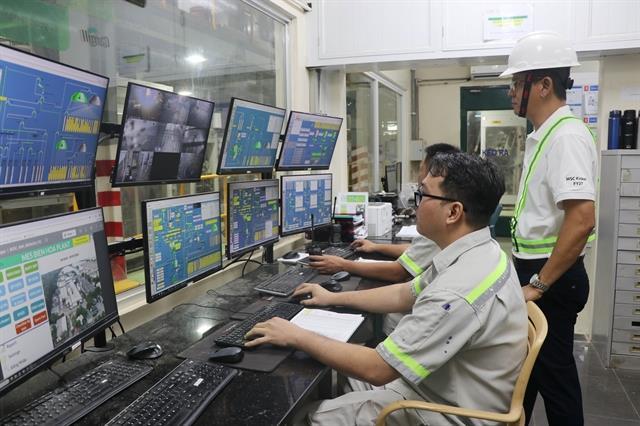
Rooftop solar power, especially when combined with Battery Energy Storage Systems (BESS), is emerging as a strategic solution, paving the way for a greener, more flexible and more sustainable industrial park model.
Carmakers including Honda, Toyota, Hyundai, Ford and Mercedes-Benz have all confirmed the compatibility of many vehicle models with the fuel ahead of its nationwide rollout.
To sustain GDP growth of around 10 per cent, electricity demand is expected to increase by 12-15 per cent annually, requiring an additional 7,000-8,000 MW of new capacity each year.
The Ministry of Industry and Trade has proposed new pricing mechanisms and tax incentives for E10 biofuel ahead of a June 1 nationwide rollout to boost uptake and competitiveness against fossil fuels.
Retail fuel prices were simultaneously reduced from 15:00 on Thursday following the latest adjustment by the Ministry of Industry and Trade (MoIT) and and the Ministry of Finance, with E5RON92 biofuel recording the sharpest decline.
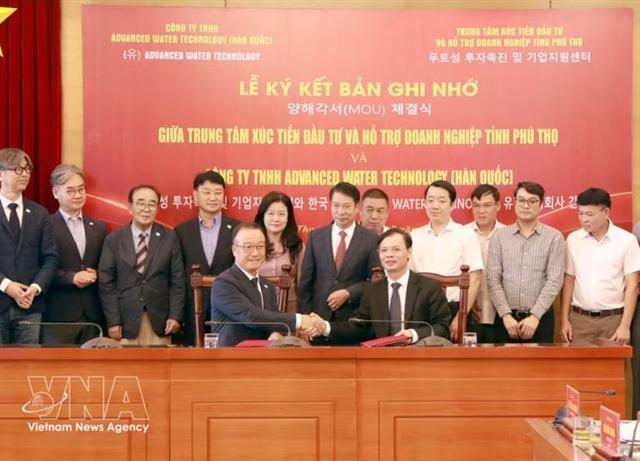
The Republic of Korea is currently Việt Nam’s largest foreign direct investor, with cumulative registered investment exceeding US$94 billion and more than 10,000 valid projects.
The publication comes as Việt Nam faces rising electricity demand driven by rapid economic growth and industrial expansion, while also seeking to reduce greenhouse-gas emissions under its international climate commitments.
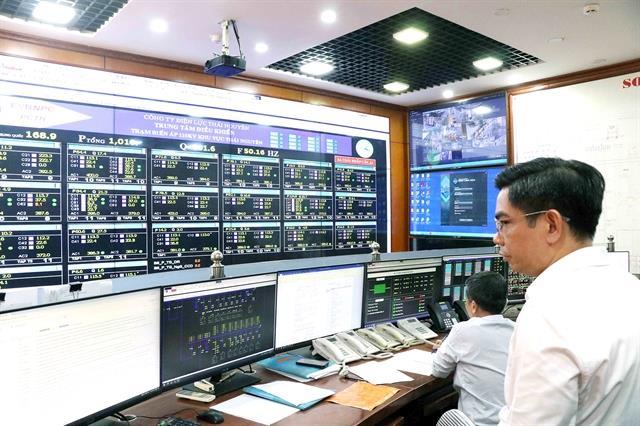
From operating the power system and supplementing supply sources to promoting electricity conservation and developing battery energy storage systems (BESS), a wide range of measures are being deployed to ensure stable power supply during periods of extreme demand.
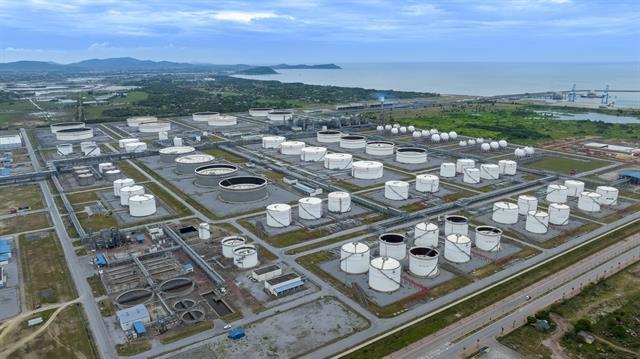
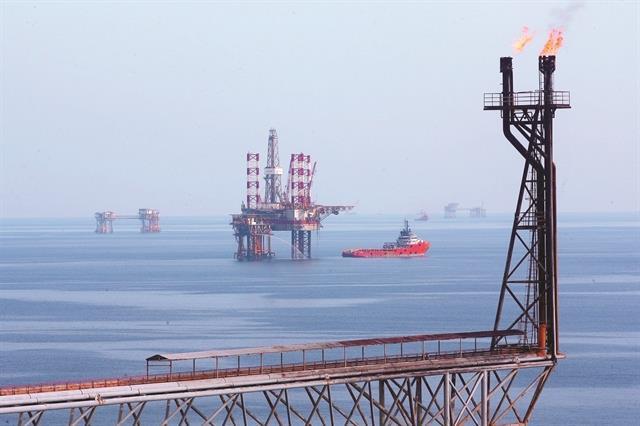
Việt Nam spent approximately US$2.93 billion importing nearly 3.37 million tonnes of petroleum products in the first quarter of 2026, an increase of 77.8 per cent in value and over 44 per cent in volume compared to the same period...